Introducing FlexFrame
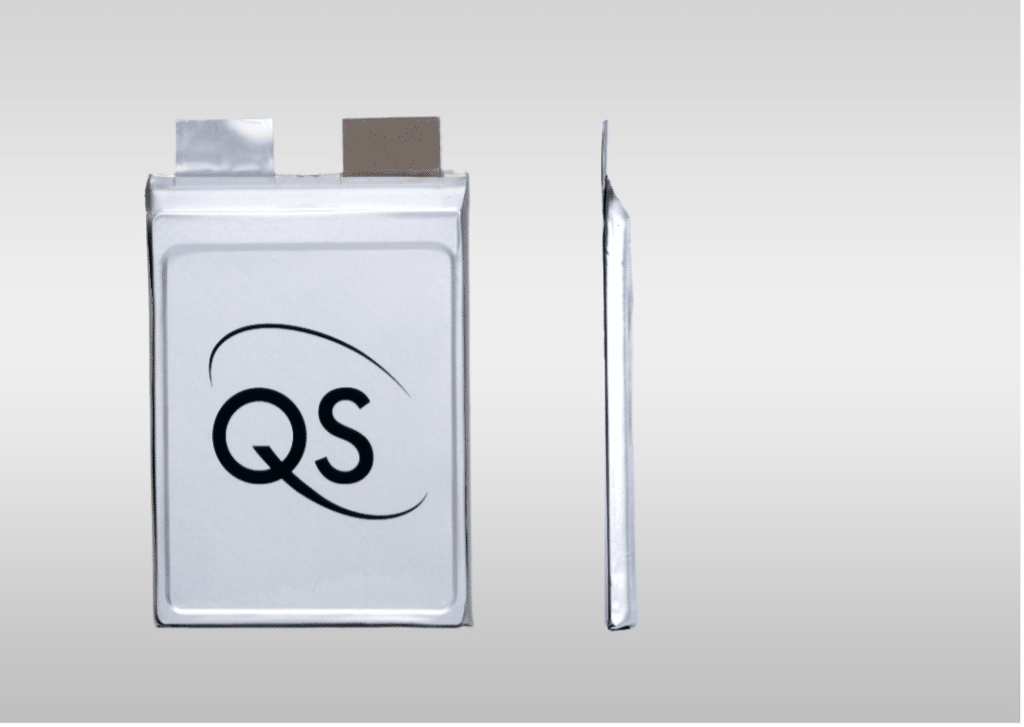
QuantumScape’s solid-state lithium-metal battery technology is designed to deliver disruptive improvements to electric vehicle performance.
Energy density: Inactive materials and packaging efficiency
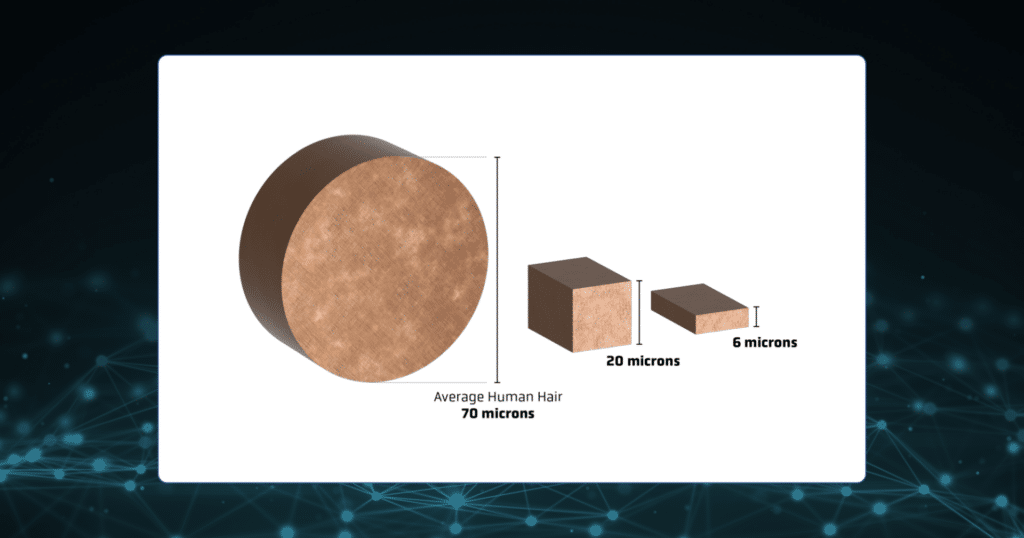
There are many factors to consider when evaluating a battery’s energy density — but it’s not as straightforward as it may seem.
Energy density: The basics

There are many factors to consider when evaluating a battery’s energy density — but it’s not as straightforward as it may seem.
Energy density: Active materials & electrode loading
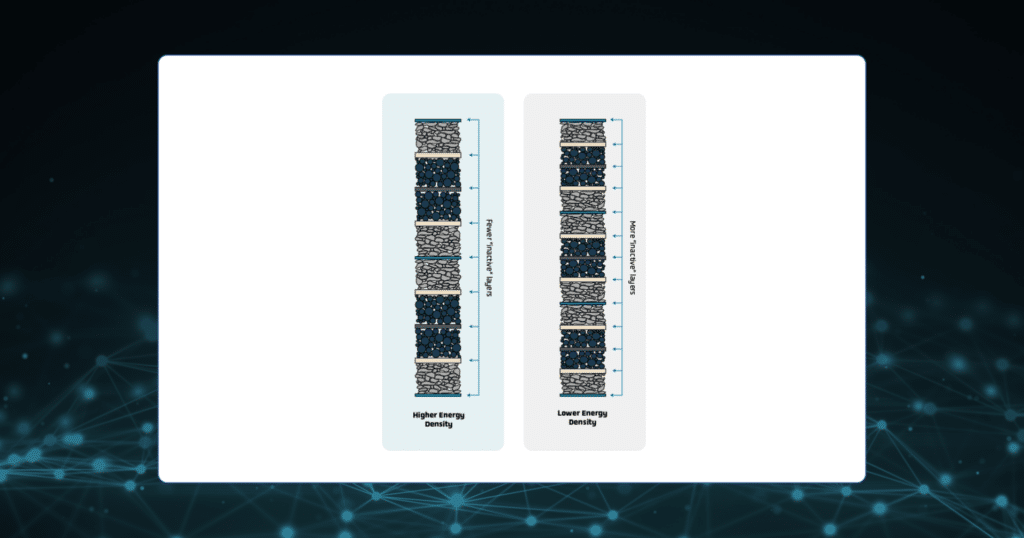
Using better active materials and optimizing the use of inactive materials are primary ways to improve energy density.
Ceramics 101: The QuantumScape Separator in Context
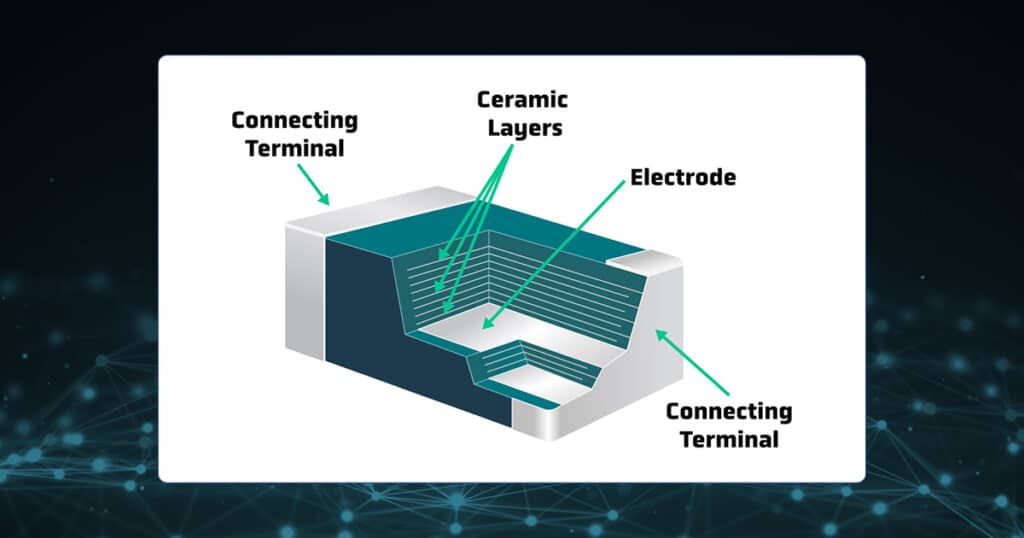
QuantumScape’s solid-state lithium-metal battery technology is enabled by our proprietary ceramic solid-electrolyte separator.
The Advantages of Lithium-Metal Anodes
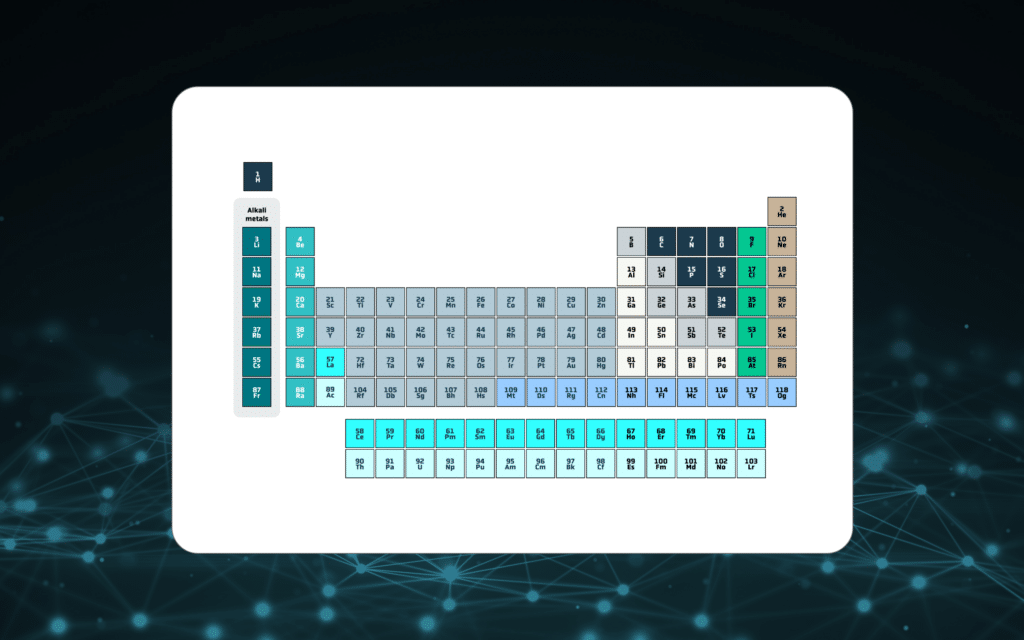
Rechargeable lithium-metal batteries have been the subject of intense research for decades, and today they seem closer than ever to reaching the marketplace.
Coulombic Efficiency Demystified
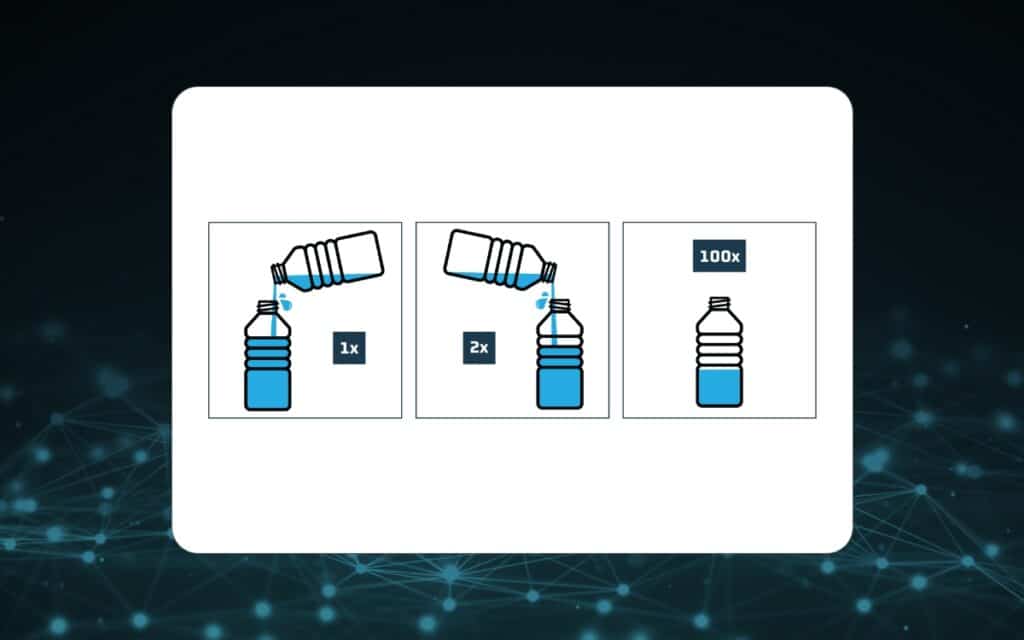
Check out this article written by the experts on solid-state battery technology, QuantumScape, to learn about coulombic efficiency in electric vehicles.
White paper: A deep dive into QuantumScape’s fast-charging performance
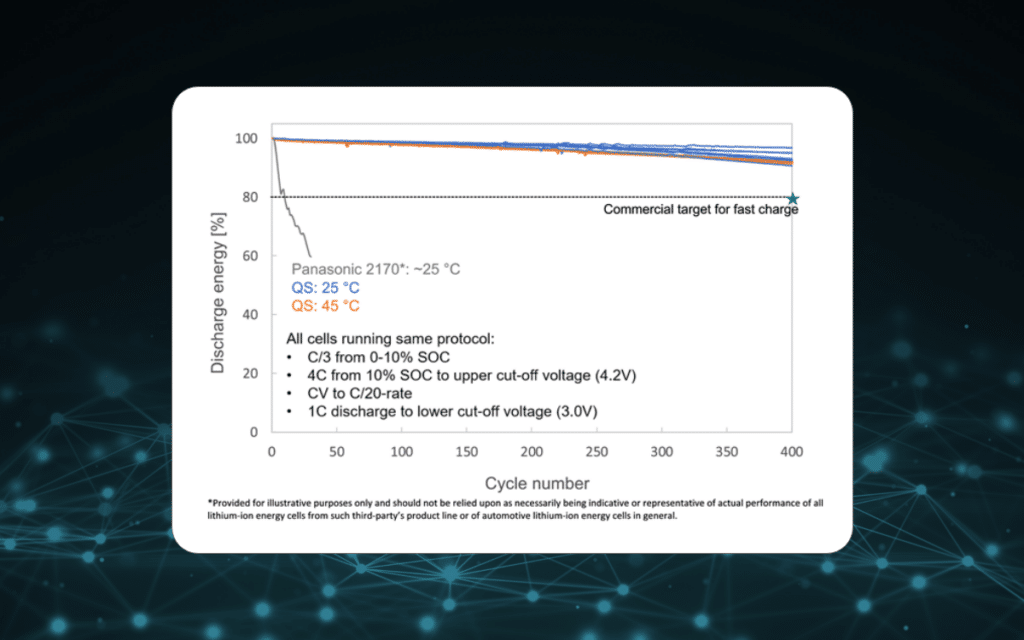
Fast charging is increasingly important to buyers of electric vehicles, but high-energy legacy lithium-ion batteries are still limited in how fast they can recharge. These limitations are largely due to fundamental constraints of battery design. QuantumScape’s technology has been designed to overcome many of these constraints, to unlock a step-change in fast-charging performance […]
What’s the Difference Between Capacity and Energy?
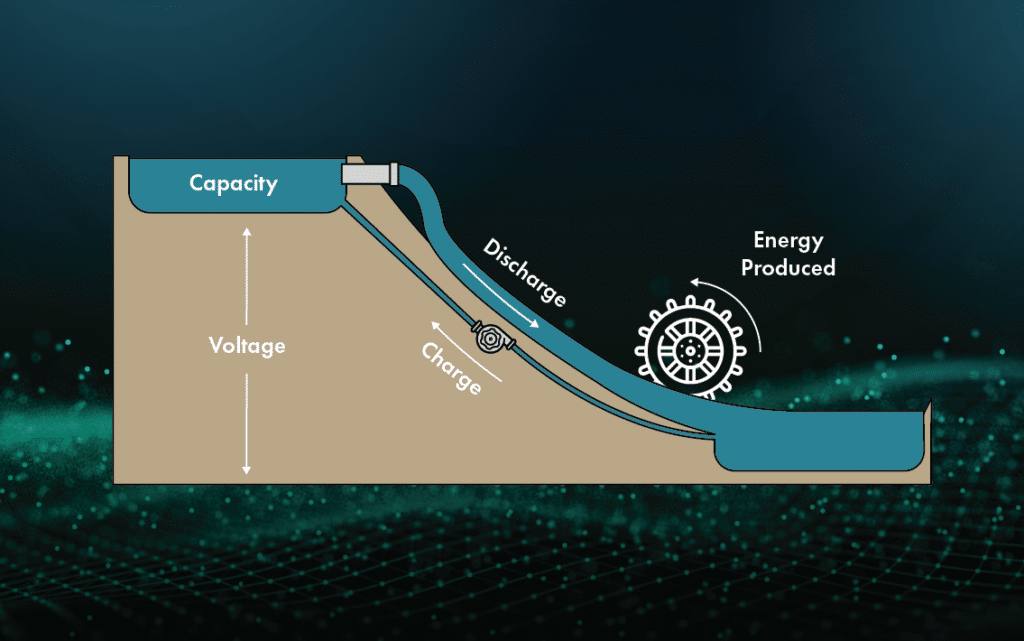
In the simplest terms, a battery’s capacity describes how many electrons it can store for later use.
Can lithium metal anodes work with liquid or polymer electrolytes?
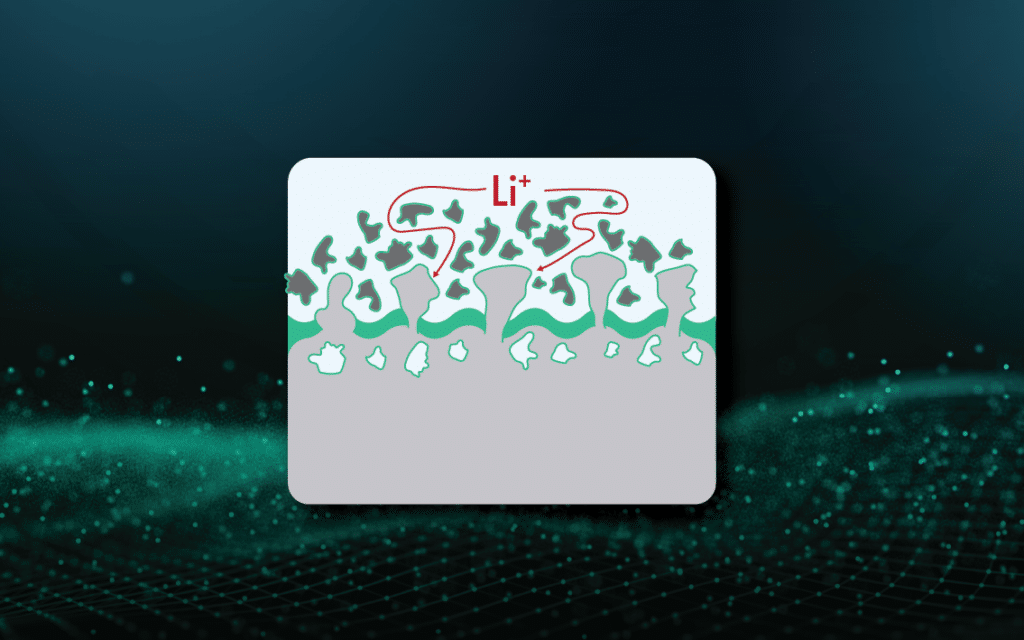
In our blog post on sulfides, we outlined some of the limitations we believe make sulfide-based solid electrolyte separators unsuitable for enabling lithium-metal anode technologies.